
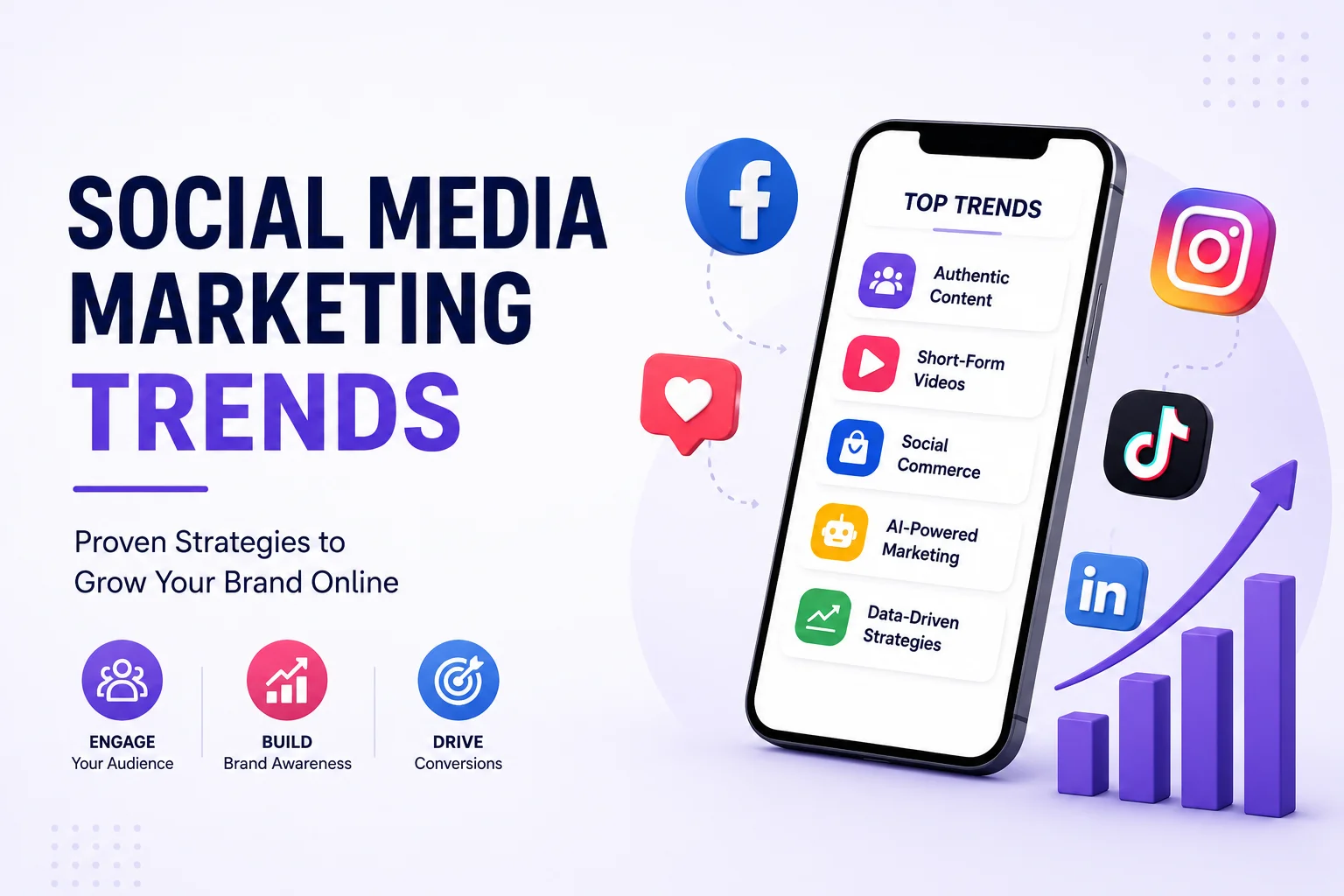
Social media marketing continues to evolve at an incredible pace. What worked just a few years ago may no longer deliver the same results today. As we move through 2026, businesses face increasing competition for attention across platforms such as Instagram, Facebook, LinkedIn, TikTok, YouTube, Pinterest, and X. Consumers are exposed to thousands of pieces of content every day, making it more challenging than ever for brands to stand out.
The good news is that social media remains one of the most powerful digital marketing channels available. Businesses that understand emerging trends and adapt their strategies can build stronger relationships with customers, increase brand awareness, generate leads, and drive sales. Success on social media is no longer about posting frequently. It is about delivering value, creating meaningful engagement, and leveraging technology to connect with audiences in smarter ways.
In 2026, artificial intelligence, short-form video, creator partnerships, community building, and personalized experiences are shaping the future of social media marketing. Brands that embrace these trends will gain a competitive advantage and achieve sustainable growth.
This comprehensive guide explores the most important social media marketing trends of 2026 and provides proven strategies to help businesses grow their brands online.
The Evolution of Social Media Marketing
Social media has transformed from a communication platform into a complete business ecosystem. Users now discover products, interact with brands, read reviews, watch tutorials, and make purchases without leaving their favorite apps.
This shift has changed consumer expectations. Modern audiences want authenticity, transparency, and personalized experiences. Traditional promotional content is becoming less effective, while educational, entertaining, and community-driven content continues to gain traction.
Businesses that understand this evolution can create more relevant marketing strategies that align with audience preferences and platform algorithms.
AI-Powered Content Creation Is Becoming Mainstream
Artificial intelligence is one of the most influential trends shaping social media marketing in 2026.
AI tools help marketers:
- Generate content ideas
- Write captions
- Create graphics
- Edit videos
- Analyze audience behavior
- Predict content performance
- Automate publishing schedules
These technologies improve efficiency while allowing marketing teams to focus on strategy and creativity.
However, successful brands combine AI-generated assistance with human expertise. Audiences still value authenticity, unique perspectives, and genuine storytelling.
The most effective approach is using AI to enhance productivity while maintaining a strong human voice.
Short-Form Video Continues to Dominate
Short-form video remains the most engaging content format across major social media platforms.
Consumers prefer quick, informative, and entertaining videos that can be consumed in seconds. Platforms continue prioritizing video content because it drives higher engagement and longer session durations.
Effective short-form video strategies include:
- Educational tips
- Product demonstrations
- Behind-the-scenes content
- Customer testimonials
- Industry insights
- Quick tutorials
- Trending challenges
Businesses should focus on delivering value within the first few seconds to capture attention and encourage viewers to watch until the end.
Authentic Content Outperforms Highly Polished Advertising
Consumers are increasingly drawn to authentic content rather than overly produced advertisements.
People want to see real experiences, genuine customer stories, and transparent communication.
Brands can build trust by sharing:
- Employee stories
- Customer experiences
- Business journeys
- Product development processes
- Community involvement
- Daily operations
Authentic content helps humanize a brand and creates stronger emotional connections with audiences.
Trust remains one of the most valuable assets in modern marketing.
Social Commerce Continues to Expand
Social commerce has become a major revenue driver for businesses worldwide.
Consumers now expect seamless shopping experiences directly within social media platforms. Features such as in-app checkout, product tagging, live shopping, and personalized recommendations continue to improve.
Benefits of social commerce include:
- Reduced purchase friction
- Faster customer journeys
- Improved conversion rates
- Enhanced user experiences
- Better product discovery
Businesses should optimize product catalogs, create engaging product content, and leverage social shopping features to maximize sales opportunities.
Influencer Marketing Is Becoming More Strategic
Influencer marketing remains highly effective, but brands are becoming more selective about partnerships.
Instead of focusing solely on follower counts, businesses are prioritizing:
- Audience relevance
- Engagement quality
- Authenticity
- Industry expertise
- Content consistency
Micro-influencers often deliver stronger engagement and higher trust levels than larger creators.
Successful influencer collaborations focus on long-term relationships rather than one-time promotional campaigns.
These partnerships create more authentic endorsements and generate stronger results.
Community Building Is a Competitive Advantage
Brands are shifting from audience building to community building.
A community consists of people who actively engage with a brand and with each other. Strong communities create loyalty, advocacy, and repeat business.
Ways to strengthen community engagement include:
- Responding to comments
- Hosting live sessions
- Encouraging user participation
- Creating exclusive groups
- Featuring customer content
- Running interactive campaigns
Communities help businesses maintain visibility even when platform algorithms change.
They also create valuable opportunities for customer feedback and relationship development.
User-Generated Content Builds Trust
User-generated content continues to play an important role in social media success.
Consumers trust recommendations from other users more than traditional advertising.
Examples include:
- Reviews
- Testimonials
- Customer photos
- Product videos
- Social mentions
- Success stories
Encouraging customers to share their experiences creates authentic content that strengthens credibility and expands reach.
Brands can increase participation by creating branded hashtags, contests, and customer recognition programs.
Personalized Marketing Is Essential
Personalization is becoming a standard expectation among social media users.
Audiences want content that reflects their interests, behaviors, and needs.
Businesses can personalize marketing through:
- Audience segmentation
- Behavioral targeting
- Customized messaging
- Dynamic content
- Personalized offers
Relevant content generates higher engagement because users feel understood and valued.
Data-driven personalization helps brands deliver better experiences while improving campaign performance.
Social Listening Is More Important Than Ever
Social listening involves monitoring conversations, mentions, and discussions related to your brand or industry.
This practice helps businesses:
- Understand customer sentiment
- Identify emerging trends
- Discover content opportunities
- Monitor competitors
- Improve customer service
Brands that actively listen to their audiences can adapt more quickly to changing market conditions.
Social listening also provides valuable insights that support content creation and strategic decision-making.
Employee Advocacy Expands Brand Reach
Employees can become powerful brand ambassadors on social media.
When team members share company content, industry insights, and workplace experiences, they help increase visibility and credibility.
Benefits of employee advocacy include:
- Expanded organic reach
- Improved trust
- Increased engagement
- Stronger employer branding
- Better audience connections
Organizations should encourage employees to participate while providing clear guidelines and support.
Authentic employee voices often resonate strongly with audiences.
Data-Driven Decision Making Improves Results
Successful social media marketing relies on accurate data and performance analysis.
Key metrics include:
- Engagement rate
- Reach
- Impressions
- Click-through rate
- Conversion rate
- Audience growth
- Video retention
Tracking these indicators helps businesses identify what works and optimize future campaigns.
Data-driven strategies reduce guesswork and improve return on investment.
Brands that consistently analyze performance can make smarter marketing decisions.
Live Content Remains Highly Engaging
Live streaming continues to attract significant audience engagement.
Live content creates opportunities for real-time interaction and immediate feedback.
Popular live formats include:
- Product launches
- Question-and-answer sessions
- Educational webinars
- Industry discussions
- Behind-the-scenes broadcasts
Live experiences create a sense of urgency and exclusivity that encourages participation.
Businesses should incorporate live content into their social media strategies to strengthen audience relationships.
SEO and Social Media Are Becoming More Connected
Social media platforms increasingly function as search engines.
Users frequently search for:
- Products
- Services
- Reviews
- Tutorials
- Recommendations
As a result, businesses should optimize social profiles and content using relevant keywords.
Important optimization areas include:
- Profile descriptions
- Video titles
- Captions
- Hashtags
- Alt text
This approach improves discoverability and helps attract organic traffic from social platforms.
Storytelling Creates Emotional Connections
Storytelling remains one of the most effective marketing techniques.
People remember stories more easily than promotional messages.
Effective brand stories often include:
- Challenges
- Solutions
- Customer transformations
- Company missions
- Community impact
Storytelling helps audiences connect emotionally with brands, making content more memorable and persuasive.
Every piece of content should contribute to a larger brand narrative.
Sustainability and Social Responsibility Matter
Consumers increasingly support brands that demonstrate social responsibility.
Businesses can strengthen their reputation by sharing initiatives related to:
- Sustainability
- Community support
- Ethical practices
- Diversity and inclusion
- Environmental responsibility
Transparency is critical. Audiences can quickly identify performative marketing.
Brands should communicate genuine actions and measurable impact.
Authentic responsibility initiatives contribute to stronger customer loyalty.
Multi-Platform Strategies Deliver Better Results
Relying on a single platform can limit growth opportunities.
Different platforms serve different purposes and audiences.
A diversified strategy allows businesses to:
- Reach broader audiences
- Reduce platform dependency
- Increase visibility
- Improve engagement
- Strengthen brand recognition
Content should be adapted for each platform rather than duplicated across channels.
Understanding audience behavior on each platform helps maximize effectiveness.
The Role of Professional Digital Marketing Support
Many businesses struggle to keep up with rapidly changing social media trends.
Working with experienced professionals can provide access to advanced strategies, creative expertise, analytics, and campaign management.
Whether a business is focused on lead generation, ecommerce sales, brand awareness, or customer engagement, expert guidance can accelerate growth and improve marketing efficiency.
Many organizations seeking measurable online growth choose the Best Digital Marketing Company in Kochi to develop and execute high-performing social media campaigns.
Future Trends to Watch
Several emerging developments are expected to shape social media marketing beyond 2026.
These include:
- AI-generated interactive experiences
- Augmented reality content
- Voice-based social interactions
- Advanced personalization
- Predictive audience targeting
- Immersive shopping experiences
Businesses that stay informed about these innovations will be better positioned to adapt and maintain competitive advantages.
Continuous learning and experimentation will remain essential for long-term success.
Conclusion
Social media marketing in 2026 is driven by innovation, authenticity, personalization, and community engagement. Businesses can no longer rely on outdated tactics or purely promotional content to achieve meaningful results.
The most successful brands are embracing artificial intelligence, short-form video, influencer collaborations, social commerce, user-generated content, and data-driven strategies. They focus on building trust, delivering value, and creating genuine relationships with their audiences.
As platforms continue evolving, adaptability will become one of the most important marketing skills. Businesses that monitor trends, analyze performance, and prioritize customer experience will be better equipped to grow their brands online.
By implementing the proven strategies outlined in this guide, organizations can strengthen their social media presence, increase engagement, generate qualified leads, and achieve sustainable business growth in an increasingly competitive digital landscape. Social media remains one of the most powerful tools for brand building, and those who leverage it effectively will continue to thrive in 2026 and beyond.

